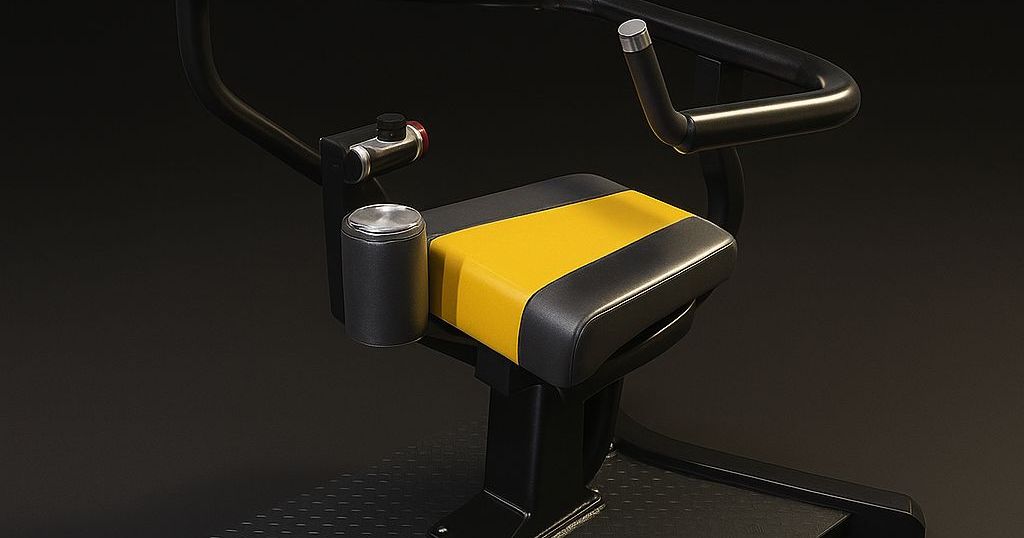
Torso Machine: Safe High-Speed Core Rotation and Rotational Power
Rotation is the engine of athletic movement. A golf drive, a tennis forehand, a boxing cross, a cricket delivery, a football handball — each is powered by the trunk unwinding at speed. Yet the spine is also one of the most vulnerable structures in the body, and training it hard and fast has always carried a catch: the faster you rotate under load, the higher the risk.
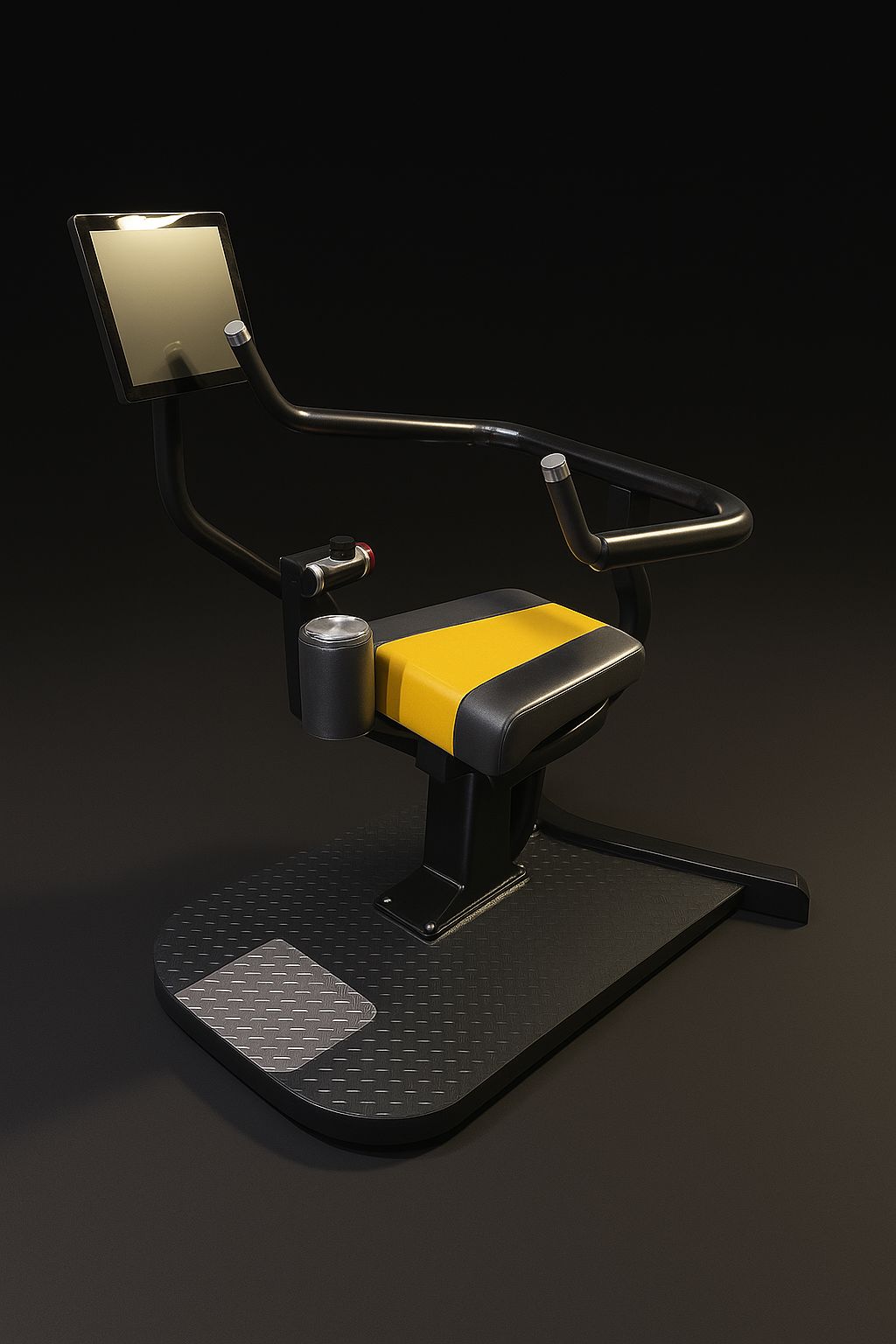
The Velocity Isokinetics Torso machine is built to close that gap. It is a dedicated core rotation machine that lets you train high-speed rotation against resistance, equally in both directions, with what the design calls “zero brake effect” and eccentric slowing of movement — building rotational power while reinforcing the lumbar spine rather than loading it.
Why rotational power and lumbar protection belong together
Poor lumbar stability is widely regarded as one of the most common contributors to injury across many sports. Whether you are rotating to throw, hit, strike or change direction, the muscles around the spine have to control that rotation. When they cannot, the spine is left to absorb forces it was not designed to take.
The Torso machine takes the opposite approach to swinging a weighted plate or bar around your torso. Instead of momentum and uncontrolled load, you get hydraulic, accommodative resistance at a speed you set — so the spine is trained through rotation, not punished by it.
What the Torso machine does
The Torso machine addresses safe, high-speed rotation by allowing rotation against resistance equally in both directions, with zero brake effect and eccentric slowing of movement. That matched both-way resistance matters: many rotational-sport athletes develop a dominant direction of rotation, and training only that side deepens the imbalance. By working left and right (clockwise and anti-clockwise) against equal resistance, the Torso machine is designed to help manage the asymmetries that one-sided training can reinforce.
It is a rotary-motion, hydraulic-resistance unit — part of the Velocity Isokinetics dual-concentric system, which engages opposing muscles through the full push/pull cycle. Read more on the method in Dual Concentric Training.
The system also measures output in watts of power rather than just reps or load — the same FORCE × VELOCITY principle that underpins the whole Velocity Isokinetics range. See Power = Force × Velocity for why watts, not just strength, are the unit that matters.
Every core muscle, engaged
Where many “core” exercises isolate a single movement, the Torso machine activates the full complement of trunk musculature in one motion:
- Rectus abdominis — the flexors at the front of the abdomen
- Obliques — your primary rotational muscles
- Transversus abdominis — the deep stabiliser that braces the spine
- Erector spinae — the muscles running up the back that extend and control the spine
Activating all of these together allows for greater stabilisation of the lumbar spine vertebrae and discs. The machine trains the thoracic (mid-back) muscles and the lower lumbar region at low or high speeds — so the same unit serves a slow, controlled rehab rep and an explosive rotational power rep.
Train at the speed you actually play
Speed is the whole point of high-speed isokinetics, and the Torso machine’s variable speed control runs from 2 deg/sec to 800 deg/sec. That range lets a clinician start a post-injury athlete at a crawl for controlled tissue work, then progress to sport-speed rotation as the spine and core adapt.
Because resistance is hydraulic and accommodative rather than a fixed weight stack, there is no surplus load dumped onto the spine at the end of a rep, and lower loading through the movement than heavy rotational work. For how isokinetic resistance compares with isotonic and pneumatic options, see Isokinetic vs Isotonic vs Pneumatic.
The result is rotational training you can push hard — with lower joint loading than heavy isotonic rotation and, users report, far less of the delayed soreness that usually follows heavy rotational work.
What it measures
The Torso machine runs on the Computer Managed Training System (CMTS), with touch-screen control and a smart PC. Every session can generate reports across:
- Strength
- Torque
- Endurance
- Power
- Range of motion
- Comparison (side-to-side and session-to-session)
For coaches and clinicians, that comparison data is where the value lives — flagging a rotational imbalance between left and right, or a power drop-off under fatigue, early so it can be addressed before it contributes to injury. That same data thread runs from clinical rehab through to elite performance, which is why the Torso sits naturally on the rehab-to-performance continuum.
Movements covered
Despite its focus on the trunk, the Torso machine covers more than rotation:
- Chest push/pull
- Abdomen extension/flexion
- Shoulder — all movements and pull-over
- Back extension/flexion
Specs at a glance
- Motion: Rotary
- Resistance: Hydraulic (Velocity Isokinetics dual-concentric system)
- Speed control: 2 deg/sec to 800 deg/sec
- Console: Computer Managed Training System with touch-screen control and smart PC
- Adjustability: Adjustable height, position and support
- Build: Heavy-duty frame and handlebar
- Footprint: W 1.2 m × L 1.1 m
- Reports: Strength, torque, endurance, power, range of motion, comparison
Who it suits
- Rotational-sport athletes — golfers, tennis and squash players, boxers and combat athletes, cricketers, baseballers, throwers and footballers chasing more bat, racquet or arm speed
- Coaches and S&C staff wanting measurable rotational power gains and imbalance data
- Rehab and return-to-play clinicians rebuilding controlled, pain-free trunk rotation after back injury
Bring rotational power into your program
The Torso machine is for anyone who needs to rotate hard, fast and often — and wants to train that rotation with the spine better supported than uncontrolled weighted rotation allows. To see how it fits your facility, your athletes or your rehab pathway, get in touch with the Velocity Isokinetics team to enquire about specs, setup and pricing at velocityisokinetic.com.